مصنعو منتجات العلاج بالضوء الأحمر
الموقع الرسمي فقط: ideatherapy.com | احذر من المنتجات المزيفة















ملابس داخلية للعلاج بالضوء الأحمر: كيفية عملها واستخداماتها
Red light therapy underwear brings red and near-infrared LEDs into a flexible garment designed for close, targeted light exposure. Unlike a rigid panel, the wearable format follows the body and keeps the light source near the intended area. That makes fit, LED placement, heat control, controller usability and cleaning just as important as wavelength or output. This guide explains how the format works, where it may fit within a wellness routine and what consumers, distributors and private-label buyers should evaluate before choosing a device.
Quick Answer
Red light therapy underwear is a close-contact wearable that positions LEDs around a defined body area. A well-designed device should provide even light distribution, an adjustable fit, manageable warmth, simple controls and clear instructions. It is a wellness device format, not a substitute for medical diagnosis or treatment.
What Is Red Light Therapy Underwear?
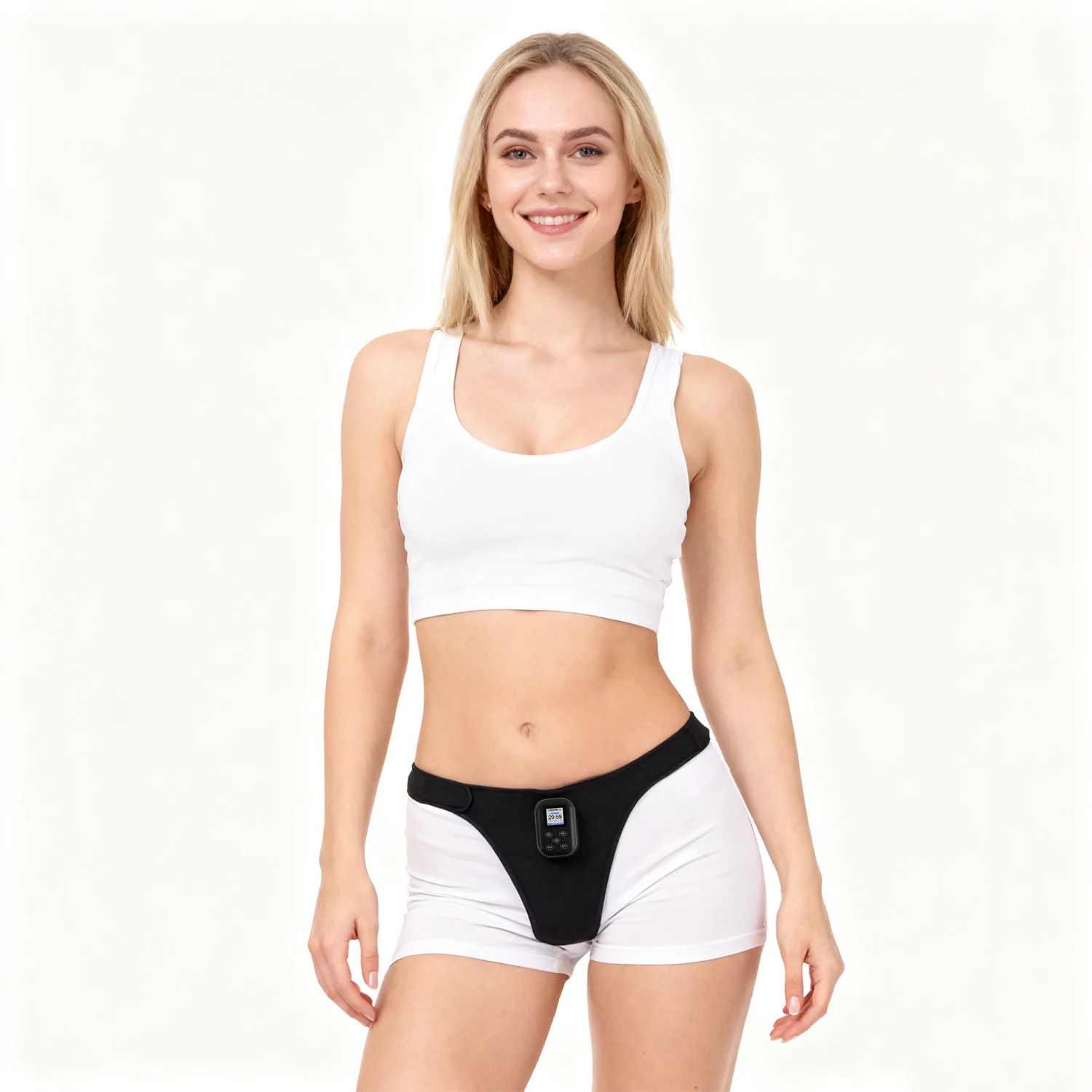
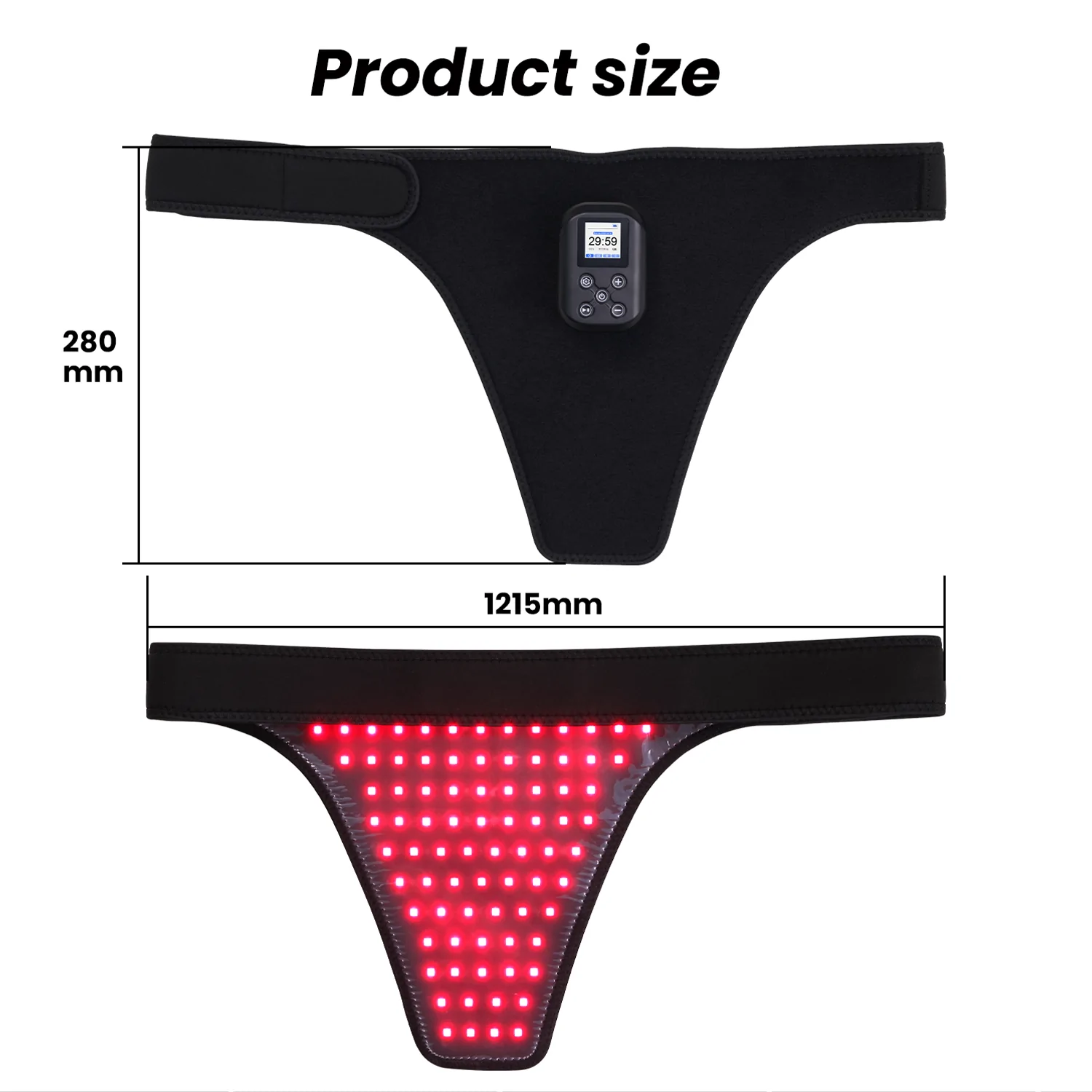
The term describes a wearable photobiomodulation device shaped like an adjustable undergarment. LEDs are integrated into a flexible front section, while straps, a controller and a portable power source support practical use. One current example is the TLP96-F4 wearable underwear device, which combines 660nm red light and 850nm near-infrared light in a black, adjustable structure.
The main difference from a panel is geometry. Panel performance changes with distance and body position. Red light underwear operates much closer to the body, so uniform LED spacing, flexible materials and a stable fit become central design requirements.
How Does Red Light Therapy Underwear Work?
When switched on, the embedded LEDs emit selected wavelengths toward the covered area. Visible 660nm light and invisible 850nm near-infrared light are often combined because they occupy different portions of the therapeutic light spectrum. Our 660nm versus 850nm comparison explains the wavelength distinction in more detail.
More light is not automatically better. Practical exposure depends on irradiance, session length, skin distance, LED coverage and the device’s operating mode. Because a wearable sits close to the body, buyers should evaluate output together with temperature stability and comfort rather than comparing a single specification.
Where Does the Wearable Format Fit?
Red light therapy underwear is designed for users who want localized coverage without standing in front of a panel. Its compact format can suit private wellness routines, travel-friendly product lines and targeted wearable portfolios.
- Localized use: the garment keeps the illuminated section over a defined area.
- Hands-free sessions: adjustable straps help maintain position.
- Portable routines: a rechargeable power source reduces dependence on a wall outlet.
- Wearable product ranges: the format complements belts, pads, boots and blankets.
Design Features That Matter
| Feature | ما أهمية ذلك |
|---|---|
| LED layout | Even spacing helps reduce bright hotspots and weak coverage zones. |
| Adjustable fit | The light-emitting section should remain stable without excessive pressure. |
| وحدة التحكم | Time, intensity and mode controls should be easy to reach and understand. |
| Heat management | Materials and operating limits should support comfortable close-contact use. |
| Power system | Battery capacity, connectors and charging instructions affect portability. |
| Cleaning guidance | Removable electronics and clear care instructions support hygiene and durability. |
How It Compares With Other Wearable Devices
Underwear-style devices are one option within the wider portable wearable light therapy range. For lower-leg coverage, buyers can compare wearable designs with the TLF300 foot and calf therapy boots or the more compact TLF150-B foot-care device.
For broader coverage, a red light therapy blanket or pad, a full-body therapy sleeping bag or a full-body red light therapy mat may be more appropriate. The correct format depends on coverage area, portability, storage, session workflow and intended market.
Safe and Practical Use
Follow the device manual for session time, intensity, charging and cleaning. Stop using the device if it produces unexpected heat, skin discomfort or damaged wiring. People with photosensitivity, active medical concerns or medicines that affect light sensitivity should ask a qualified healthcare professional whether light exposure is appropriate.
Do not fold an operating LED section sharply, cover ventilation points or use a damaged battery. Shared or demonstration units also need a clear hygiene process because the product is worn close to the body.
What B2B Buyers Should Check
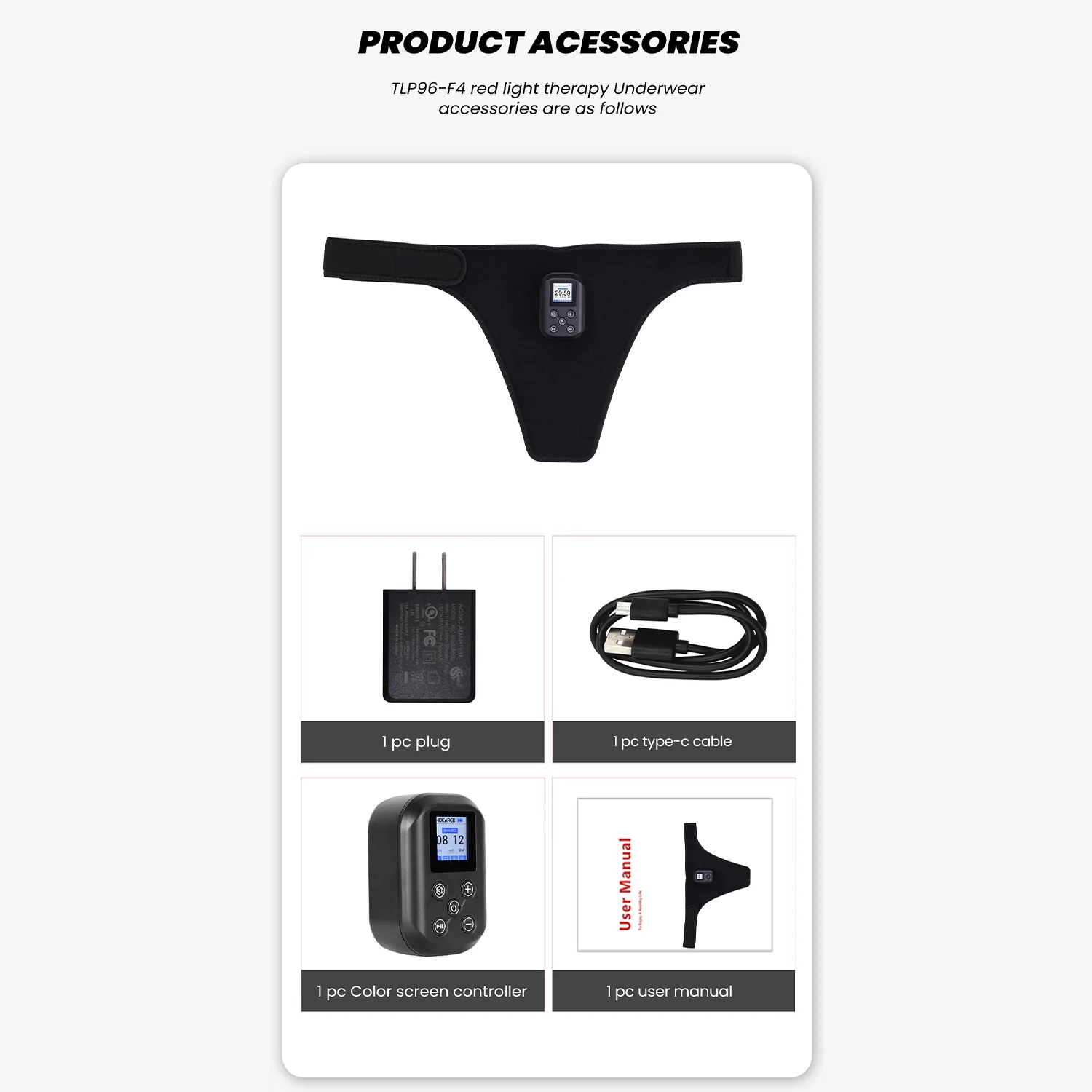
Distributors should request verified specifications, material information, battery documentation, controller instructions, cleaning guidance, warranty terms and samples for fit testing. A sample review should include repeated fastening, cable movement, controller operation and temperature checks across a complete session.
For brand development, review available private-label light therapy services and discuss packaging, logo, wavelength configuration, documentation and product positioning through the custom light therapy product program. Claims and labeling should match the evidence and compliance rules of the target market.
الأسئلة الشائعة
Can red light therapy underwear be used through clothing?
Direct placement generally reduces the amount of light blocked by fabric. Follow the product instructions and use the device only in the way its design and materials allow.
Is red light underwear the same as a therapy belt?
No. Both are wearable formats, but their shape, coverage zone and fastening method differ. Compare the illuminated area and fit rather than relying only on the product name.
What should a buyer compare first?
Start with intended coverage, fit, wavelength, measured output, heat stability, controller design, battery documentation, cleaning method and warranty support.










 简体中文
简体中文 Deutsch
 Français
 Português
 Italiano
 Русский
 한국어
한국어 العربية
 日本語
日本語 Svenska
 Polski
 Magyar
 Čeština
 Dansk
Dansk 繁體中文
繁體中文 Nederlands
 Suomi
Suomi Irish
Irish