Monaróirí Táirgí Teiripe Solais Dheirg
Láithreán Oifigiúil Amháin: ideatherapy.com Bí ar d'airdeall ar bhréagearraí













Táirgí Teiripe Solais Dheirg ODM: An tEolas ar chóir a bheith ag Brandaí
ODM red light therapy products give wellness, beauty, fitness, and recovery brands a faster way to launch professional light therapy devices without developing every part from the beginning. Instead of starting with a blank design, brands can work with a manufacturer that already has tested product platforms, engineering knowledge, production capacity, and customization options.
For B2B buyers, ODM is often the right balance between speed, cost control, and brand differentiation. It allows you to choose a mature device platform, adjust key specifications, customize the appearance and packaging, and launch under your own brand. This guide explains how ODM red light therapy products work, what buyers should evaluate, and how to reduce risk before mass production.

1. What Does ODM Mean in Red Light Therapy?
ODM means Original Design Manufacturer. In a red light therapy project, this usually means the factory already has an existing product design, engineering structure, optical layout, control system, production process, and supply chain. The buyer can select the platform and request branding or functional adjustments based on market needs.
This is different from a fully custom OEM project, where the buyer may require deeper changes in structure, electronics, molds, software, or industrial design. ODM is usually more efficient because the product foundation already exists. For many new brands, distributors, and e-commerce sellers, ODM can reduce development time and lower technical uncertainty.
2. When Should a Brand Choose ODM?
ODM is a strong option when your brand wants to enter the market quickly but still needs a professional product line. It is especially suitable when you have clear branding and sales channels, but do not want to invest heavily in engineering, tooling, and full product development at the early stage.
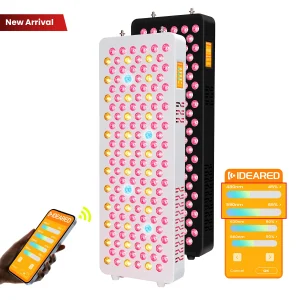
Brands may choose ODM for red light therapy panels, LED face masks, wearable devices, sauna panels, accessories, and commercial wellness systems. For example, a wellness brand may start with smart panels from the Voice+APP therapy panel series, while a beauty brand may evaluate LED face beauty mask options for skincare-focused markets.
3. ODM vs OEM vs Private Label
ODM, OEM, and private label are related, but they serve different business needs. Private label is usually the simplest option: the buyer adds brand elements to an existing product. ODM offers more flexibility because the buyer can often select from multiple product platforms and request certain changes. OEM is usually deeper and may involve more engineering work.
| Múnla | Is fearr do | Leibhéal Saincheaptha |
|---|---|---|
| Lipéad Príobháideach | Fast brand launch | Logo, packaging, manual, basic brand assets |
| Dearadh ar Bharr an Mhargaidh | Brands needing proven platforms with flexibility | Product selection, appearance, functions, packaging |
| Bunaidh-trealaimh monaróir | Brands with unique product requirements | Deeper design, structure, electronics, software |
If your brand needs a balanced solution, IDEATHERAPY’s customized OEM, ODM, and JDM services can support product planning, customization, and manufacturing discussion.
4. What Can Be Customized in an ODM Project?
The available customization depends on the product category and order quantity. Common ODM options include logo placement, shell color, control panel, LED wavelength combination, packaging design, user manual, product label, accessories, language version, remote control, app-related settings, and product bundle configuration.
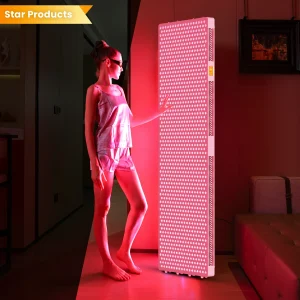
For wearable product lines, brands may consider belts, pads, blankets, caps, or portable therapy devices. IDEATHERAPY’s wearable red therapy light category can be useful for buyers comparing portable and body-targeted product opportunities.
For commercial environments, ODM may also include compatible stands, mounting systems, control accessories, and installation support. Buyers planning professional spaces can review light therapy stands and accessories when building a complete product solution.

5. How to Evaluate an ODM Product Platform
A professional ODM product should not be judged only by appearance. Buyers should review technical stability, thermal design, LED quality, electrical safety, control reliability, packaging protection, production consistency, and available documentation. A product that looks attractive in photos may still create problems if the structure, components, or testing process are weak.
For beauty and skincare markets, buyers should think about comfort, design language, usage instructions, skin-contact materials, and retail packaging. IDEATHERAPY’s Beauty & Skin Care solution page gives application context for brands targeting salons, skincare stores, and aesthetic users.
For wellness centers and recovery spaces, buyers should focus on durability, clear operation, device size, installation, maintenance, and user flow. The Wellness Centers solution page can help brands understand commercial wellness usage scenarios.
6. Certification and Compliance Must Be Checked Early
Certification is one of the most important parts of ODM sourcing. Buyers should ask which certificates, test reports, user manuals, labels, and technical documents are available for the selected product platform. Requirements may differ by product type and sales market, especially when products include power adapters, wireless control, batteries, or medical-style marketing claims.
It is better to review compliance before finalizing packaging and marketing content. If certification requirements are checked too late, a brand may need to revise labels, user manuals, claims, components, or market positioning. IDEATHERAPY’s certificate information can help buyers understand available compliance support.
7. Risks Buyers Should Avoid
ODM can be efficient, but buyers still need a disciplined process. Avoid choosing a platform only because the quotation is low. Also avoid copying competitors without understanding your own market. The best ODM project should match your brand positioning, customer expectations, sales channel, and after-sales capacity.
Before mass production, confirm the sample, specifications, packaging, manual, test documents, carton information, lead time, inspection standard, payment terms, and shipment method. A clear approval process protects both the buyer and the manufacturer.

ODM Red Light Therapy Buyer Checklist
- Confirm your target market and product positioning.
- Choose a proven product platform that fits your sales channel.
- Review technical specifications, materials, controls, and accessories.
- Check available certificates, labels, manuals, and test reports.
- Approve samples before confirming mass production.
- Finalize packaging, user manual, carton marks, and brand assets.
- Plan quality inspection, shipping method, and after-sales support.
Críoch
ODM red light therapy products are a practical option for brands that want speed, flexibility, and lower development risk. By starting from a mature product platform, buyers can focus on market positioning, branding, packaging, compliance, and customer experience. The key is to choose a manufacturer that can explain technical details, support customization, provide documentation, and maintain stable quality from sample to shipment.
Ceisteanna Coitianta
1. What are ODM red light therapy products?
ODM red light therapy products are devices based on a manufacturer’s existing design platform, which can be customized for a buyer’s brand, market, and product requirements.
2. Is ODM suitable for new red light therapy brands?
Yes. ODM is suitable for new brands because it can reduce development time, lower technical risk, and help brands launch with proven product platforms.
3. What can I customize in an ODM project?
Common customization options include logo, color, packaging, manual, product label, wavelength mix, control system, accessories, and product bundle configuration.
4. Is ODM cheaper than OEM?
ODM is often more cost-efficient than full OEM development because the core product platform already exists, but final cost depends on customization level and order quantity.
5. Do ODM products need certification?
Yes. Buyers should check certifications, test reports, labels, and compliance documents based on the product type and target sales market.
6. How do I choose the right ODM manufacturer?
Choose a manufacturer with stable product platforms, clear technical communication, quality control, certification support, sample service, packaging support, and export experience.






 简体中文
简体中文 Deutsch
 Français
 Português
 Italiano
 Русский
 한국어
한국어 العربية
 日本語
日本語 Svenska
 Polski
 Magyar
 Čeština
 Dansk
Dansk 繁體中文
繁體中文 Nederlands
 Suomi
Suomi Irish
Irish