Red Light Therapy Product Manufacturers
Official Site Only: ideatherapy.com | Beware of Counterfeits















Light Therapy for Tendon and Ligament Recovery
Tendon and ligament injuries are common among athletes, fitness enthusiasts, and even individuals performing routine daily activities. Conditions such as tendonitis, sprained ligaments, and overuse injuries can lead to pain, inflammation, and long recovery periods. In recent years, Red Light Therapy has emerged as a promising non-invasive approach to support tissue repair and reduce recovery time.
Modern red light therapy devices and red light panels use specific wavelengths of red and near-infrared light to stimulate cellular activity and improve circulation. Scientific studies suggest that these wavelengths may enhance the body’s natural healing processes, making red light therapy panels increasingly popular for home recovery, sports rehabilitation, and clinical use.

Understanding Tendon and Ligament Injuries
Tendons and ligaments are both connective tissues, but they serve different roles in the body.
| Tissue Type | Function | Common Injuries | Typical Recovery Time |
|---|---|---|---|
| Tendons | Connect muscle to bone | Tendonitis, Achilles tendon injury | Weeks to months |
| Ligaments | Connect bone to bone | Sprains, ACL injuries | Weeks to several months |
Unlike muscles, tendons and ligaments have limited blood supply, which slows the healing process. This is one reason why recovery from these injuries often takes longer than expected.
According to the U.S. National Institutes of Health (NIH), connective tissue injuries frequently require a combination of rest, physical therapy, and rehabilitation strategies to restore function. Non-invasive supportive therapies, including light-based treatments, are increasingly being explored to accelerate recovery.
How Red Light Therapy Supports Tissue Healing
Red Light Therapy works through a biological process known as photobiomodulation (PBM). When cells absorb specific wavelengths of light—typically between 630–660 nm (red light) and 810–880 nm (near-infrared)—several beneficial processes may occur:
1. Increased Cellular Energy (ATP Production)
Red and near-infrared light stimulate mitochondria, the energy centers of cells. This leads to increased production of adenosine triphosphate (ATP), which fuels cellular repair and regeneration.
2. Improved Blood Circulation
Better circulation means more oxygen and nutrients are delivered to injured tissues, which can help accelerate healing.
3. Reduced Inflammation
Research published by the National Center for Biotechnology Information (NCBI) indicates that photobiomodulation may reduce inflammatory markers, helping decrease swelling and pain in injured tissues.
4. Collagen Production
Tendons and ligaments are largely composed of collagen fibers. Red light therapy has been shown in several studies to stimulate fibroblast activity, which may support collagen synthesis and tissue repair.
Scientific Evidence Behind Red Light Therapy
Numerous studies have investigated the therapeutic effects of light therapy on connective tissue injuries.
A study available through the NCBI (National Library of Medicine) found that low-level laser and LED therapy can stimulate tendon repair by increasing fibroblast proliferation and collagen formation.
Similarly, the U.S. Food and Drug Administration (FDA) recognizes certain light therapy technologies for therapeutic and rehabilitation purposes when used within approved medical devices.
Research has shown that light wavelengths between 630 nm and 880 nm may be particularly beneficial for deep tissue penetration, making them suitable for tendon and ligament recovery.
These findings explain why red light panels and red light therapy devices are increasingly used in sports therapy clinics and rehabilitation centers.
Key Benefits of Red Light Therapy for Tendon and Ligament Recovery

Pain Reduction
Red light therapy may help reduce pain by improving circulation and reducing inflammation around injured tissues.
Faster Recovery Time
By supporting cellular repair and collagen production, light therapy may help shorten the healing timeline for certain soft-tissue injuries.
Non-Invasive Treatment
Unlike injections or surgical procedures, red light therapy devices provide a drug-free and non-invasive treatment option.
Improved Mobility
Regular therapy sessions may support flexibility and joint movement during the recovery process.
Recommended Treatment Approach
While results vary by individual, many wellness professionals suggest consistent treatment sessions.
| Treatment Factor | Typical Recommendation |
|---|---|
| Wavelength | 630–660 nm (Red), 810–880 nm (Near-Infrared) |
| Session Duration | 10–20 minutes |
| Frequency | 3–5 times per week |
| Distance from Device | 6–12 inches for panels |
Consistency is important. Users often begin noticing improvements after several weeks of regular therapy sessions.
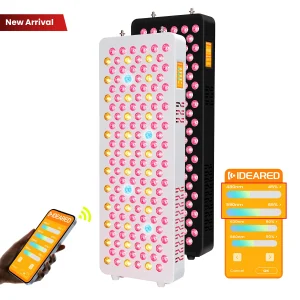
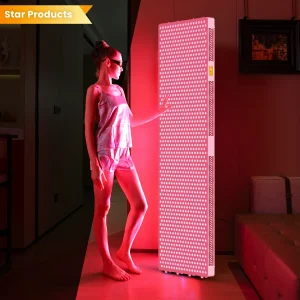
Recommended Device: IDEATHERAPY Red Light Therapy Panels
For individuals seeking a reliable at-home therapy option, IDEATHERAPY Red Light Therapy Panels offer professional-grade performance with user-friendly design.
Key advantages include:
- Dual wavelengths (Multi wavelengths (480, 590, 630,660, 670, 810, 830, 850,1060 nm or customize) for deeper tissue penetration) for deeper tissue penetration
- High-power LED arrays for full coverage treatment
- Adjustable intensity for personalized therapy sessions
- Suitable for sports recovery, tendon rehabilitation, and joint health
IDEATHERAPY red light panels are widely used by wellness centers, athletes, and consumers looking for an effective red light therapy device for home use.
Safety Considerations
Although Red Light Therapy is generally considered safe, users should follow recommended guidelines:
- Avoid direct exposure to the eyes
- Follow manufacturer usage instructions
- Consult a healthcare professional for severe injuries
- Use protective eyewear if required
The FDA notes that light therapy devices should be used according to safety standards to ensure optimal results and minimize risk.
FAQ
1. Does red light therapy really help tendon injuries?
Research suggests that photobiomodulation may stimulate collagen production and improve circulation, which can support tendon repair. However, results may vary depending on injury severity.
2. How long does it take to see results from red light therapy?
Many users report improvements within 2–4 weeks of consistent treatment, though recovery time varies based on the type of injury.
3. What wavelength is best for tendon and ligament recovery?
Most studies indicate that 630–660 nm red light and 810–880 nm near-infrared light are effective for connective tissue repair.
4. Can I use red light therapy every day?
Yes, many devices allow daily sessions of 10–20 minutes, but users should follow the manufacturer’s recommended guidelines.
5. Are red light therapy panels safe for home use?
When used properly, FDA-cleared devices are generally considered safe for home wellness applications.
6. What is the difference between a red light panel and other therapy devices?
Red light panels typically offer larger treatment coverage and higher power output compared to handheld devices, making them ideal for muscle and joint recovery.






 简体中文
 Deutsch
 Français
 Português
 Italiano
 Русский
 한국어
 العربية
 日本語
 Svenska
 Polski
 Magyar
 Čeština
 Dansk
 繁體中文
 Nederlands
 Suomi
 Irish